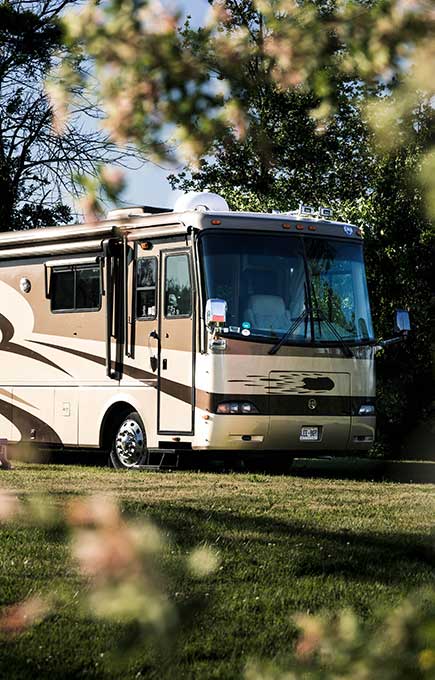




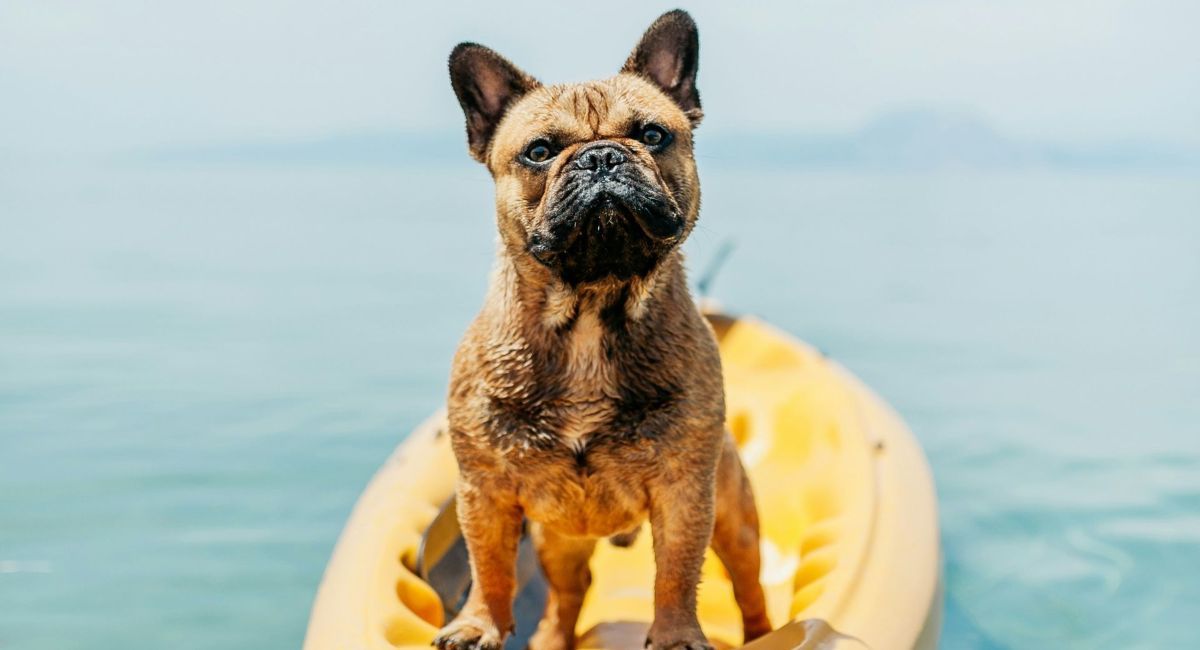
One great thing about traveling in an RV is that you can take your pets with you. After all, what could be better than seeing this beautiful country with Fido by your side?
That said, if you plan to go on an RV trip with your pet in the summer, you’ll want to keep some things in mind and take some steps before you hit the road.
Here are our top tips on how to keep dogs cool in the summer.
Keeping dogs cool while RVing at a glance
- To keep dogs cool in an RV, run the A/C on reliable power, park in shade, and keep fresh water out at all times.
- Never leave a pet in a parked car, even with the windows cracked. The inside heats up fast.
- Leaving your dog alone in the RV is a risk, not a given. Many campgrounds don't allow it, and an A/C or power failure can turn dangerous within minutes.
- If you do step away, use a battery-backed temperature monitor that alerts your phone when the power drops, and have a backup person who can get in.
- Know the signs of heatstroke: heavy panting, drooling, red gums, wobbling, vomiting, or collapse. Cool your dog with cool (not ice-cold) water and go to a vet.
- Pick cooler, dog-friendly destinations and walk early and late in the day.
Traveling with Pets in Summer
The first thing you’ll have to do to keep dogs cool in the summer is figure out how to get your pet from point A to point B. Below are some ways to keep your furry friend safe as you drive to your campsite in hot weather.
Where Should Pets Ride?
First, it’s important to note that pets should never, ever ride in a fifth wheel or travel trailer while towing. Just like humans, dogs, cats, and other pets should ride in tow vehicles where they can stay cool and enjoy a relatively smooth ride.
If you are driving a motorhome, it is perfectly okay for your pet to ride in the motorhome with you, but you will want to make sure they are able to stay cool wherever they are riding. Keep in mind, the cab air conditioning probably will not reach a pet who is riding in the living area of the RV. Instead, you might need to run the generator in order to run the rooftop A/C. Still choosing a rig? Here's our take on the best RV type for pet travel. In our experience, a simple thermometer placed near your dog's bed or crate tells you fast whether the dash air is reaching the back.
Keeping Your Pup Hydrated
Hydration is important, especially in the hot summer months. In order to make sure your pup (or kitty) stays hydrated during your summer RV getaway, make sure to give them water at regular intervals or make water available in the vehicle. Pouring a bowl of water each time you make a bathroom stop is a good way to ensure your pet stays hydrated during your travel day. We've seen plenty of dogs drink more readily from their own familiar bowl than from whatever is handy at a rest stop.
Car Safety for Pets
Pets should never be left alone in a vehicle. This is especially true during the summer and is one of the top dog safety rules in hot weather.
Even with a window cracked, a vehicle’s interior will reach unsafe temperatures very quickly during the summer months, so it’s very important that you either get your pet out of the car and take them with you or leave someone in the vehicle so it can be left running. The American Veterinary Medical Association warns that a parked car's inside temperature can climb about 20°F in just 10 minutes, and parking in the shade doesn't make it safe.
Leaving Pets in the Camper in Hot Weather
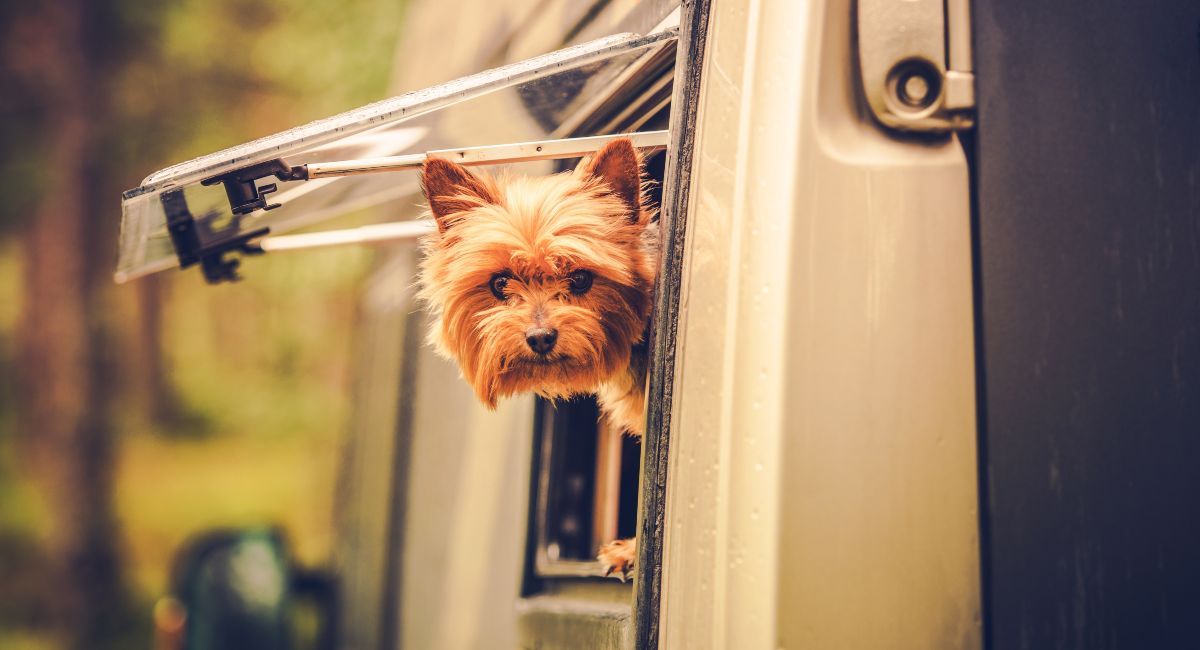
If you can’t leave a pet in a vehicle during the hot months, you might think it stands to reason that you shouldn’t leave them in the camper alone during the summer.
That instinct is a good one. An RV stays cooler than a parked car only as long as the A/C keeps running, and many campgrounds and parks don't allow pets to be left unattended at all. If you do leave your dog in the rig for a short time, check the campground's rules first, and only do it when you have reliable cooling, a backup if the power fails, and a way to monitor the temperature of the rig while you’re out. In hot weather, the safest plan is to take your dog with you or have someone stay behind.
Maintaining a Cool Temperature
First, let’s discuss maintaining a cool temperature in your rig while you’re away. Obviously, the best way to do this is to leave your A/C running. This works well in an RV park with electric hookups, but what if you’re boondocking?
Well, things get a little bit trickier in the case of boondocking. If you don’t have an excellent solar setup, running the air conditioner all day probably isn’t going to happen. That said, you probably aren’t going to boondock in a super hot location. In mild weather, parking in the shade, opening the windows, and running fans to pull air through the RV can keep the camper comfortable for a short time, but this is not a plan for a warm afternoon. For more ways to beat the heat, see our tips to keep your RV cool. We've heard from more than one renter who came back to a far warmer rig than the forecast suggested.
Still, you should closely monitor the temperature and make sure your pup can’t climb out the window and get lost in the wilderness!
Monitoring the Situation
Even with the air conditioner running in an RV park, things can go wrong that can cause your RV to get really hot really quickly, and when you’re boondocking without A/C, it’s even easier for things to get toasty. Therefore, you must find a way to monitor the temperature of your RV from afar.
The tricky thing? Generally speaking, an A/C failure is going to be due to the power going out, meaning any monitoring system that plugs in will not work, nor will a monitor that relies on a plug-in Wi-Fi router. We recommend a battery-powered cellular pet temperature monitor such as MarCELL, which has its own cellular data plan, a backup battery that lasts up to 48 hours, and power-outage alerts. Alternatively, you could choose to use a battery-powered Wi-Fi temperature monitor such as Temp Stick, which runs on AA batteries, connected to a battery-powered hotspot, which should continue to work even during a power outage. Renters we talk to say the phone alert is what lets them actually relax at dinner.
Of course, if you’re boondocking in a place that does not have cell service, things become even trickier. In this case, you will be running off of RV battery power, so a power outage is less of a concern as long as you ensure your batteries are fully charged before heading out. In cases like these, a Wi-Fi temperature monitor using a Starlink connection run using your RV battery and a pure sine wave inverter might be your best bet.
If you do a combination of boondocking and camping in campgrounds with hookups, we recommend using a Wi-Fi temperature monitor and having both a battery-powered hotspot and a Starlink setup to choose from, depending on the situation.
Can You Leave a Dog Alone in an RV at a Campground?
Sometimes, but check the rules before you assume yes. Michigan's state parks say dogs should not be left unattended, in campers or tied up, and some national parks, including Acadia, ask you not to leave pets alone at campsites. KOA's system-wide pet policy bans leaving a tethered dog unattended, and each KOA sets its own rules on top of that, so ask at check-in.
Where it's allowed, set up a backup plan before you leave:
- Use a monitor that alerts on power loss and keeps running on its own battery.
- Swap phone numbers with your neighbors, and post your number on the door.
- Give a helper a way in, such as a keypad lock code, so someone can get your dog out fast.
- Keep it short, and stay close enough to get back quickly if an alert comes in.
- Skip it entirely on the hottest days, with dogs who bark or panic when alone, or anywhere the power has been flaky.
Taking Pets Out in Hot Weather
Of course, you won’t always want to leave your pets in the RV. You brought them so you could spend time with them, after all. So what do you need to know about how to keep dogs cool in the summer when you’re out and about?
Choosing the Right Environment
First and foremost, you will want to ensure you’re choosing the right environment for your dog. Obviously, it is important that dogs are allowed to visit the same places you do. You’ll also want to be sure your dog can handle the situation, so if your pup is afraid of crowds, a crowded destination may not be ideal. Our guide to planning a dog-friendly RV adventure can help you pick the right spots.
Lastly, you will want to consider the heat and how it will affect the destination. If the spot has a lot of paved walking paths, it is likely those paths will be too hot for your pup’s feet. Hot sand can also be a problem for dogs.
Keeping Cool
On the hottest days, it’s important that you find ways to cool down during your outdoor adventures. Finding shady spots to hang out is crucial. It also helps to find a place to be indoors during the afternoon, opting to keep your outdoor fun to the morning and evening hours. In our experience, dogs settle into an early-and-late rhythm faster than their people do.
If it is extremely hot outside, it might not be good for you or your dog to spend the whole day outdoors, no matter where you are.
Protecting Doggy Feet
Want to visit a spot that may have some hot ground? If your dog will wear them, dog shoes can be a great option for protecting puppy feet on hot pavement. Vets warn that hot asphalt can burn paw pads, so test the ground with the back of your hand before a walk. That said, you’ll want to practice before you go to be sure the shoes work for your pup. It’s also unlikely your dog will want to wear them all day, so you will want to plan accordingly. We've watched dogs high-step their way through the first few minutes in boots, so give yours a few short sessions at home.
Staying Hydrated While Walking
Of course, everyone in your party will need to stay hydrated while spending time outside in the hot sunshine. This includes your dog, cat, or any other pet you bring along for the adventure.
Pack a portable dog bowl and plenty of water to share with your furry friend. Stop often in shady spots to give your pet water breaks.
Being Prepared for Emergencies
Of course, even if you take all the right steps for keeping dogs cool in the summer, things can still go wrong. For this reason, it is incredibly important that you prepare for emergencies by learning where the nearest emergency vet is and keeping all of your pet’s medical paperwork on hand.
Hopefully you won’t need any of it, but if you do, you’ll be glad you were ready! In our experience, saving the nearest 24-hour vet in your phone when you arrive at a new campground takes two minutes and saves a frantic search later.
What Are the Signs of Heatstroke in Dogs, and What Should You Do?
Dogs cool themselves mostly by panting, so they overheat faster than we do. The warning signs of heatstroke in dogs include:
- Heavy panting or trouble breathing
- Excess drooling and very red gums
- A fast heart rate, weakness, or wobbling
- Vomiting or diarrhea, sometimes bloody
- Seizures, collapse, or a body temperature of 104°F or higher
Flat-faced breeds like pugs and bulldogs, older dogs, overweight dogs, and dogs with heart or lung problems are at higher risk of heatstroke.
If you see these signs, act right away and follow these first aid steps for dog heatstroke:
- Move your dog out of the heat, into shade or an air-conditioned space.
- Check their temperature if you can. Normal is about 99.5°F to 102.5°F.
- Cool them with cool water and wet towels on the head, neck, chest, belly, and feet, and run a fan. Do not put your dog in ice water.
- Stop active cooling at about 103°F.
- Get to a vet right away, even if your dog seems better. Heat damage can show up hours or days later.
The AVMA's advice is simple: if you see signs of heat stress, get emergency veterinary care.
Good Summer RV Destinations for Pets
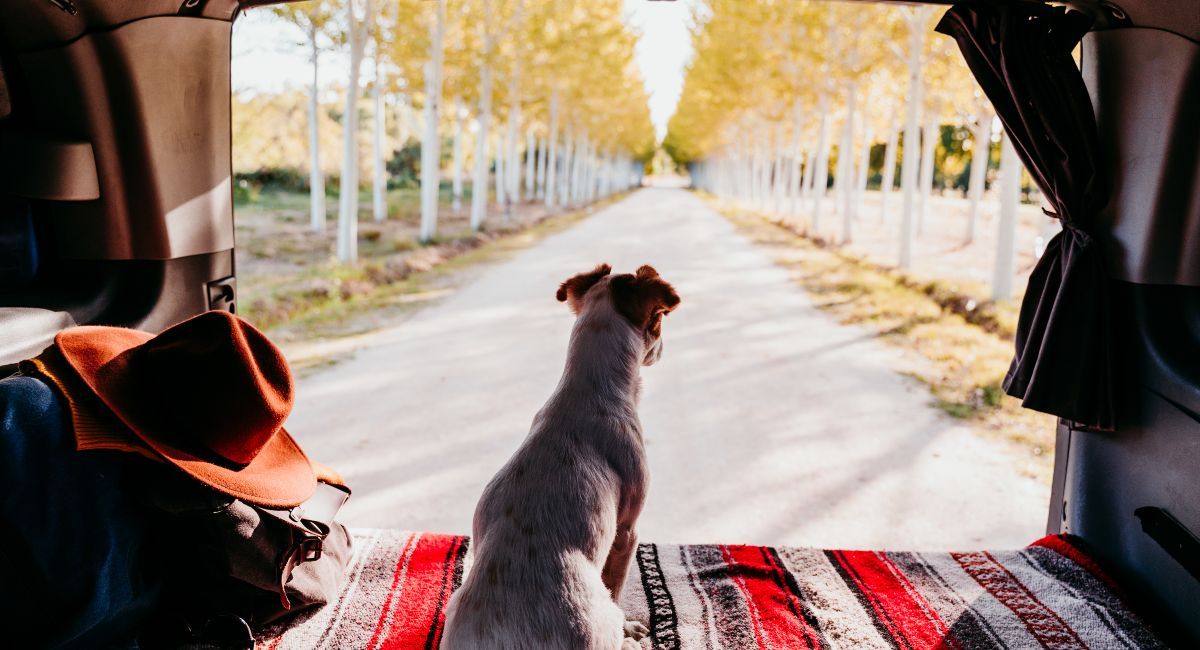
As mentioned above, choosing your destination wisely when traveling with a pet is important. An outdoor destination that welcomes pets is a good idea, as it means your furry friend can join you on your adventures. It’s also good to choose places that don’t get too hot in the summer so you can keep Fido safe and worry less about keeping dogs cool in the summer.
Some good picks include the following:
Acadia National Park
Acadia National Park is the perfect summertime destination and one of the country’s most beautiful places. Summer days are often mild, but summer highs can reach 90°F, so plan for a few warm afternoons. We especially love that dogs are allowed on 100 miles of trails and 45 miles of carriage roads in this gorgeous park! Keep your pup on a leash no longer than six feet.
Cannon Beach, Oregon
Cannon Beach, an iconic beach on the Oregon coast, is an absolutely magical place that is 100% pet-friendly. The entire stretch of beach welcomes furry friends with open arms, meaning you can enjoy running through waves or playing fetch with your doggo while admiring Haystack Rock. City rules say dogs must be on a leash or under voice control on the beach. Renters we talk to often call a cool morning beach walk with their dog the highlight of an Oregon coast trip.
The nearby Ecola State Park welcomes leashed dogs to hike, and Four Paws on the Beach is an adorable pet boutique in town. The park's narrow access road isn't recommended for motorhomes or trailers, so leave the rig at camp, and check the park page for trail closures before you go.
Shenandoah National Park
One of the most pet-friendly national parks out there, Shenandoah is another excellent summer vacation destination for dogs. This amazing park features nearly 500 miles of pup-friendly hiking trails, and all in-park campgrounds allow dogs to stay. You and your furry friend will surely enjoy taking in the gorgeous views together!
Durango, Colorado
Durango is one of the most fun little towns in the country for outdoor enthusiasts. Here you can take your dog paddling on the Animas River, pay a visit to the 24-acre Durango Dog Park on the banks of the Animas, dine at one of the many pet-friendly eateries in town, or hike with your pet.
It’s likely too hot to boondock in Durango during the summer, so head to Outdoorsy Bayfield for a lovely RV site with full hookups to keep you and your doggie (or kitty) friend nice and cool.
Indiana Dunes National Park
Yet another dog-friendly national park, Indiana Dunes is the place to go if your pet likes to swim. Here you and your furry buddy can go on a hike and end up on a lovely beach where you can go for a swim. Just know that dogs aren't allowed in the lifeguarded area at West Beach from Memorial Day to Labor Day, and they must stay leashed, so ask a ranger if you're not sure where your pup can swim.
Michigan’s Upper Peninsula
Very few places on earth are as beautiful as Michigan’s Upper Peninsula, and the summer is the ideal time to visit this spectacular place. Here, you and your dog can go on shaded hikes, play in waterfalls, and enjoy amazing views of the Great Lakes.
We highly recommend checking out Mackinac Island, where many bike shops rent pet trailers along with bikes. You’ll also want to visit the pet-friendly beaches of Pictured Rocks National Lakeshore, such as Sand Point, Miners, and Twelve mile beaches (dogs aren't allowed on its backcountry beaches), and try a hike at Porcupine Mountains Wilderness State Park.
New River Gorge National Park
New River Gorge is one of the newest US national parks and is just as amazing as the rest. Here, dogs are allowed on all in-park trails, so you can have all kinds of fun adventures together. We highly recommend the Endless Wall Trail for some seriously spectacular views that you and your pup won’t soon forget.
Provincetown, Massachusetts
Finally, there is Provincetown. This place is easily one of the most dog-friendly vacation destinations in the country. Here, all town-run beaches allow dogs to run and play off leash from 6:00 AM until 9:00 AM, and from 6:00 PM until 9:00 PM from Memorial Day through November 1, as long as they're under voice and sight control, providing plenty of fun for everyone.
On top of that, you’ll find plenty of restaurants with outdoor seating, shops, and even some boat charters in town that welcome well-behaved dogs at the owner's discretion (ask first), making it easy to get out and explore with your dog in tow.
Note: While the beaches run by Provincetown are pet-friendly, the beautiful nearby beaches that are part of Cape Cod National Seashore are not always open to dogs. Pets aren't allowed on lifeguarded beaches in summer, and seasonal shorebird nesting closures at several beaches run from April 1 to October 15.
As you can see, there is much to know about ways to keep dogs cool in the summer. Now that you’ve done your research, you should be able to stock up on the right gear and go RVing with your pet during the summer months with a lot more peace of mind.
About this guide
Originally written by Outdoorsy author Chelsea Gonzales. Updated in November 2026 by Outdoorsy Editorial. The facts in this guide were checked against official and primary sources, linked throughout. Rules change, so confirm pet policies with your campground before you go, and call a vet if you're ever unsure.