
At a glance
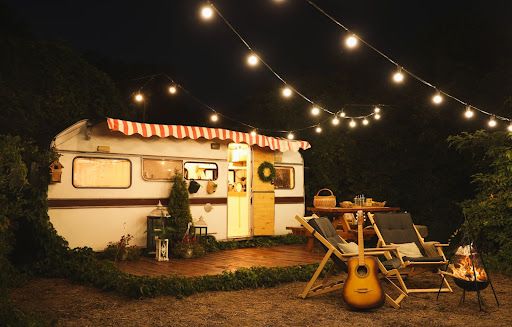
Winter (December-March) is peak Everglades: wildlife concentrates at shrinking water, mosquitoes ease off, both campgrounds are open, and Flamingo runs a full daily slate of ranger programs through the dry season. Temps: average highs near 80F, lows mid-50s. Cold fronts occasionally drop nights into the 40s for a day or two - no winterization needed. Flamingo's 41 electric sites are the tightest booking in winter - reserve months ahead. Long Pine Key adds 108 dry sites (open Nov-Apr). Entry: $35/vehicle (as of October 2026). Your RV outdoor space is fully usable: awning out, cook outside, sit by the fire without retreating indoors. Combine with the Florida Keys (Key Largo is about 40 minutes from Florida City) or Biscayne National Park (30 min). Pick up from Miami or Orlando.
What makes winter the best season for RV camping in the Everglades?
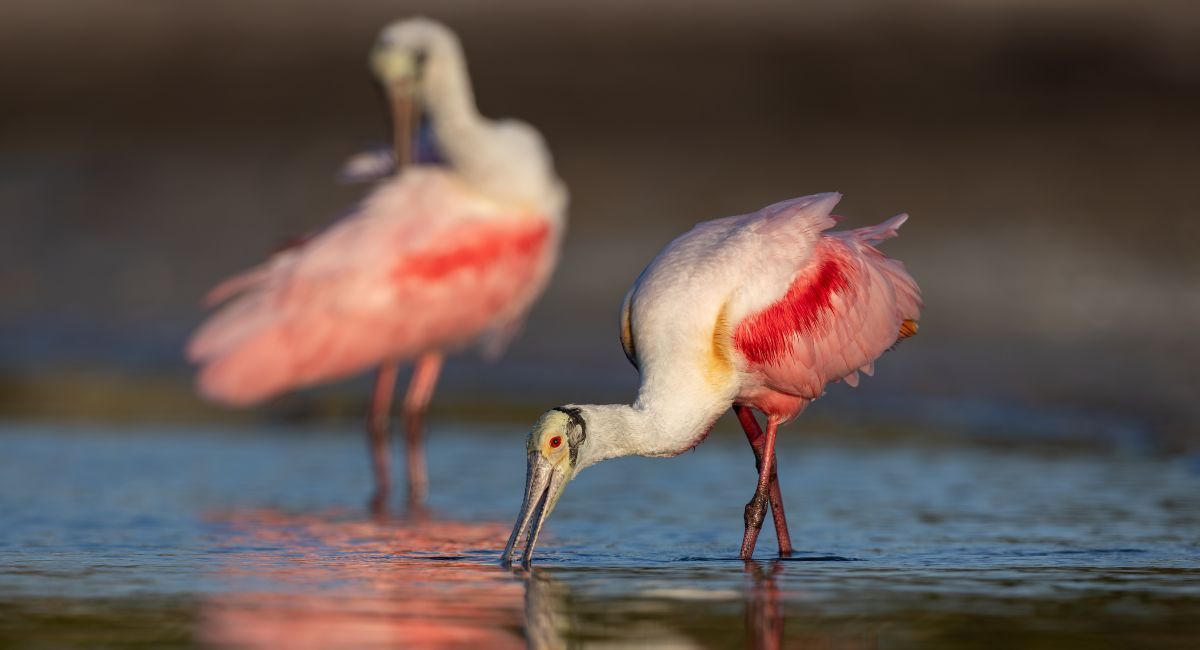
Winter mornings at Flamingo start with a walk to Eco Pond before the sun clears the mangroves. Roseate spoonbills sweep in low over the water, wading birds stand motionless in the shallows, and the only sound is your footsteps on the trail. This is the Everglades without the buzz - literal and figurative - of mosquito season. Hosts tell us winter renters come back from Flamingo talking about the sunsets more than anything else.
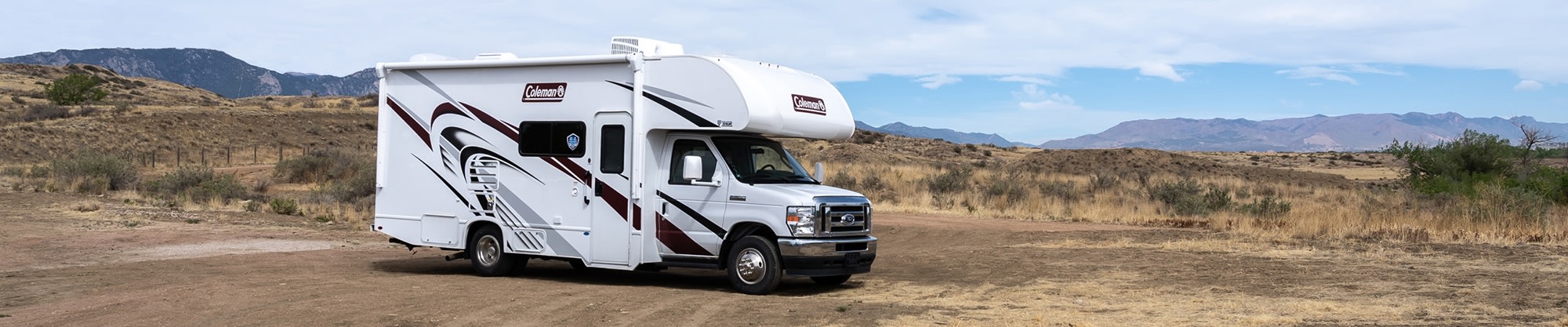
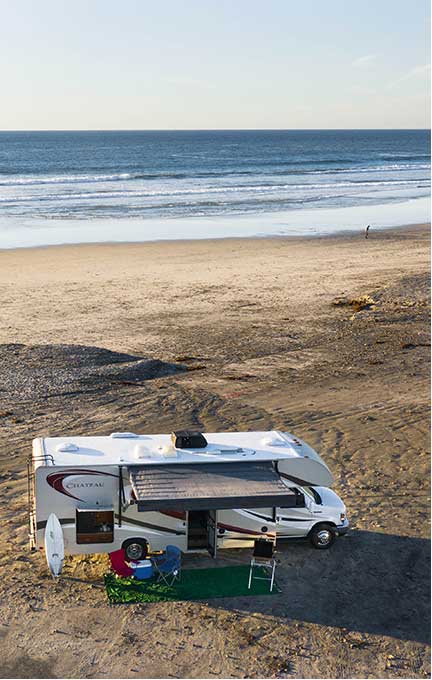
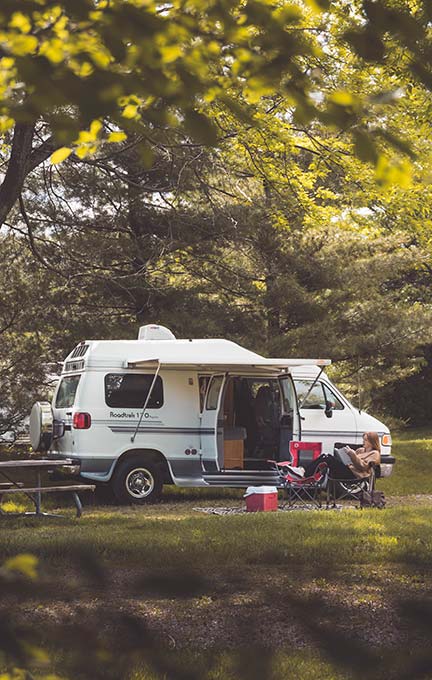
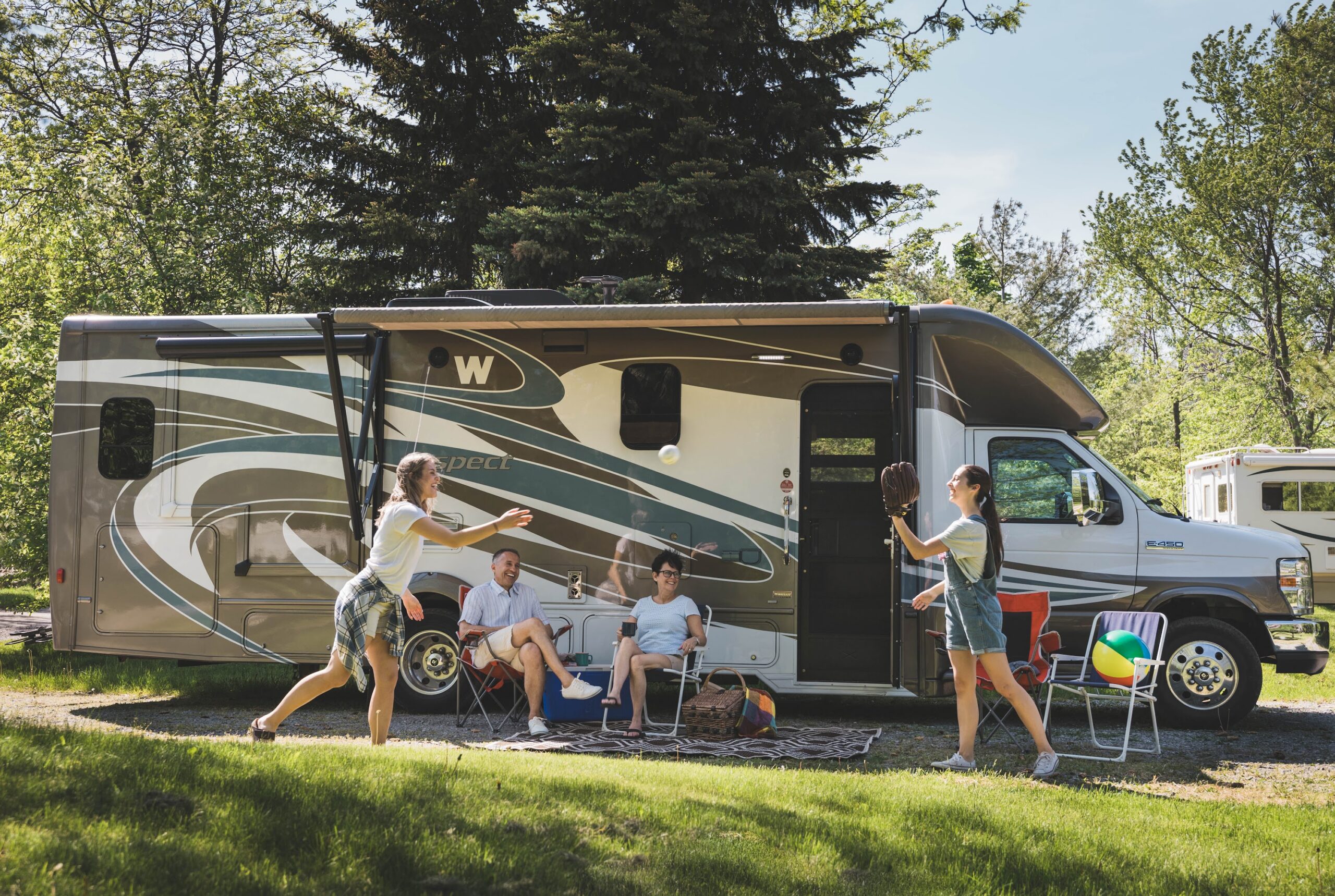
The RV-specific answer to "why winter" isn't the wildlife, though that's part of it. It's that your outdoor living space works. December through March, mosquitoes drop way down compared with summer. You can extend your awning, cook dinner outside, set up camp chairs, and sit around a fire ring under a clear sky. That's the experience you drove here for - and it's at its best during dry season. In summer, those same mosquitoes push you indoors by sundown.
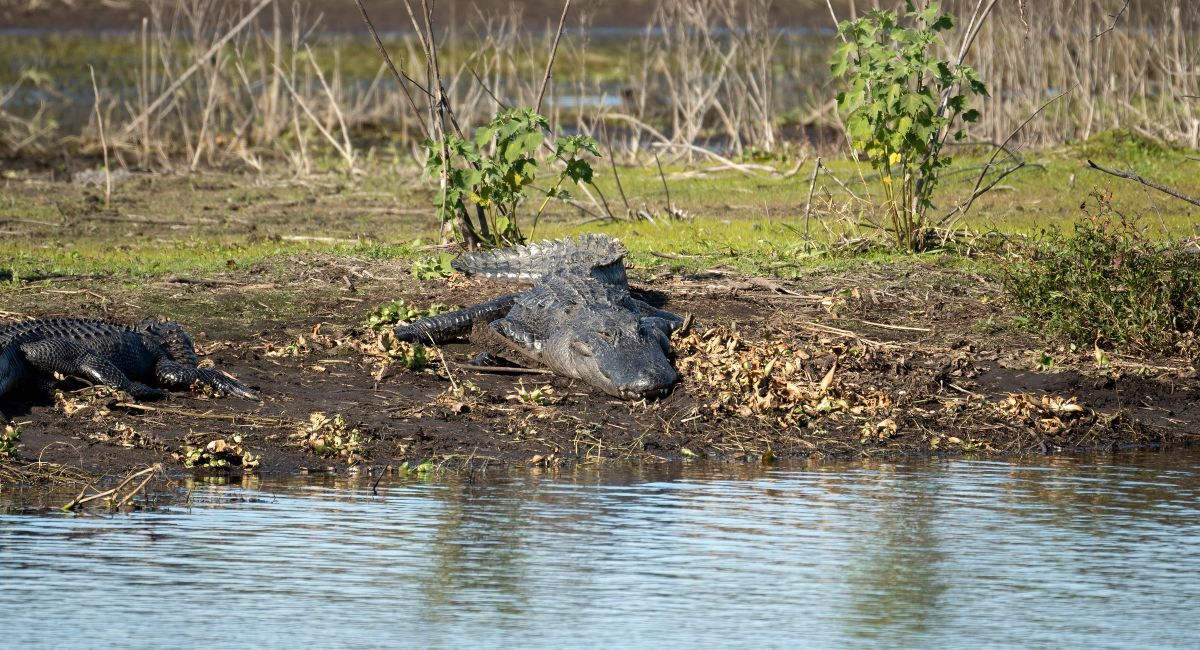
Dry season also reshapes how you see the park. Water levels drop, concentrating alligators, wading birds, and fish into smaller pools. Instead of searching a 1.5-million-acre landscape, you walk to Anhinga Trail and watch alligators bask within feet of the boardwalk. The park comes to you.
Both campgrounds are open. At Flamingo, the dry-season ranger schedule includes daily bird walks, guided paddling trips, talks, and an evening program every night, with other programs offered elsewhere in the park. The National Park Service offers ranger-led programs year-round, but the full Flamingo schedule runs only in the dry season.
For a lot of first-time winter visitors, the biggest surprise isn't the alligators or the birds - it's cooking dinner outside in January. After hearing how brutal Everglades mosquitoes can be, many show up in February and spend days with their awning out, grilling under a clear sky, wondering what the fuss was about.
What wildlife will you see in the winter Everglades?
The dry season transforms the park's wildlife into something closer to an African watering hole than a subtropical wetland. As water recedes, animals crowd the remaining pools - and many of those pools sit right next to boardwalks and park roads.
Anhinga Trail - the guaranteed show
Dry season brings the busiest wildlife viewing here. Alligators bask along the boardwalk, sometimes close enough to touch (don't). Anhingas spread their wings on the railings to dry. Great blue herons, great egrets, and green herons stalk the shallows. In a 45-minute walk, you'll see more wildlife than some parks deliver in a week.
Eco Pond - the birding spot
A short walk from Flamingo Campground, Eco Pond concentrates wading birds at dawn and dusk. Roseate spoonbills are the showstoppers - their pink plumage catches first light in a way that doesn't need a telephoto lens. On the drive in, Paurotis Pond (about 24 miles from the park entrance on the road to Flamingo) has hosted nesting wood storks, spoonbills, and egrets; the park has closed it during past nesting seasons, so check its status. White ibis, tricolored herons, and black-crowned night herons fill out the roster.
Flamingo waterfront - the rare finds
The marina and shoreline at Flamingo offer two standout species: American crocodiles (distinct from alligators - longer snout, lighter color, saltwater habitat), which in the U.S. live almost entirely in South Florida, and West Indian manatees in the marina channels. Both are often spotted in winter.
Shark Valley tram road
Alligators line both sides of the 15-mile tram road during dry season - sometimes dozens in a single stretch. Red-shouldered hawks perch on the roadside poles. The observation tower at the halfway point gives a panoramic view of the River of Grass with wading birds below.
How do you secure a winter campsite at the Everglades?
Winter campsite competition at the Everglades operates on a different timeline than most national parks. Snowbirds book the 41 electric sites at Flamingo for long winter stays, so electric hookups are the first to go. If you want electric hookups in January, book as early as the booking window allows.
Flamingo Campground
- T-Loop: 41 electric sites (30A/20A/50A). $50 Mon-Thu / $60 Fri-Sun (as of October 2026). Reserve via flamingoeverglades.com or 855-708-2207.
- A-Loop / B-Loop: Tent and non-electric sites. $33 Mon-Thu (weekend rates are higher).
- Max RV length: Varies by site - confirm your rig's length with the concessioner when you book
- Stay limits: Ask about winter stay limits when you book
- Dump station, bathhouses (no hot water), marina nearby
Long Pine Key Campground
- 108 dry sites (no hookups). Open November 1-April 30.
- Reservations through the park concessioner at flamingoeverglades.com or 855-708-2207. Book well ahead for winter weekends.
- A short drive from the Homestead entrance - much closer for day trips and errands than Flamingo's 38-mile drive.
- Dump station, potable water filling station, restrooms (no hot showers), fishing pond, trail access.
Fallback options
- Southern Comfort RV Resort (Florida City): Full hookups, about 15 min from the park entrance. Your best bet if Flamingo electric sites are booked.
- Big Cypress Midway Campground: Electric hookups, about $30/night, along US-41. Nearby Monument Lake has no hookups. Good for Shark Valley access.
Check our Florida campgrounds guide for more options, or browse beach RV parks in Florida if you're building a broader winter route.
What does a winter day look like from your Everglades campsite?
A two-day plan covers the highlights from a Flamingo base. Add days for paddling, fishing, or day trips. In our experience, the renters who enjoy it most build in one slow morning with nothing planned.
Day 1 - Flamingo and the main park road
Stock groceries and fuel in Homestead or Florida City - there's nothing inside the park beyond a camp store. Drive in through the Homestead entrance. Stop at Anhinga Trail (4 miles in) for morning wildlife viewing. Continue to Pa-hay-okee Overlook for the sawgrass panorama. Set up at Flamingo. Afternoon: kayak or canoe at Nine Mile Pond (5.2-mile loop through mangrove tunnels; water levels are best for paddling in fall and winter). Walk to Eco Pond at dusk for roseate spoonbills. Evening: the nightly ranger program.
Day 2 - Shark Valley day trip
Drive from Flamingo back out through Homestead, then north to US-41 (Tamiami Trail) and west to Shark Valley - roughly 2 hours. Take the morning tram tour ($36 adults, about 2 hours, 8 departures daily from late December through April, as of October 2026). Observation tower at the halfway point. Or rent a bicycle and ride the 15-mile loop at your own pace. Big Cypress Oasis Visitor Center is farther west on US-41 if you want to add a detour before heading back.
Day 3+ - Extend the trip
Fishing charters from Flamingo marina (Florida Bay, backcountry). Wilderness Waterway paddle (99 miles to Everglades City; most paddlers allow at least eight days; wilderness permit required). Day trip to Key Largo or Biscayne National Park.
What should you know about winter weather in the Everglades?
Winter weather in the Everglades is comfortable by any standard - but it's not uniform.
Average temperatures: Highs 78-80F, lows 54-57F from December through February, according to NPS averages for the Royal Palm area. March warms into the low 80s. These are outdoor-living temperatures - no AC needed, which saves battery and generator run time.
Cold fronts: Continental cold fronts periodically push through from late fall through early spring. Temps can drop into the 40s - occasionally near freezing - for one or two nights, then rebound quickly. No antifreeze, no insulating water lines, no winterization. Just a propane furnace for the cold night and a fleece jacket for the morning walk. We've watched more than one renter get caught without a jacket on a 45-degree January night, so pack a warm layer.
Wind chill: The NPS notes that breezy winter weather can create a wind chill that makes perceived temperatures feel considerably cooler than the thermometer reads. A breezy morning off Florida Bay can feel noticeably colder at Flamingo.
Rain: Minimal - roughly 1.4 to 1.9 inches per month December through February, compared to about 7 to 9 inches monthly in summer. Afternoon thunderstorms are rare. Humidity sits well below summer levels.
Daylight: Sunrise around 7 AM and sunset around 5:30-5:40 PM in December, with sunsets moving past 6 PM by February. Plan wildlife viewing for early morning and late afternoon - midday works too, but alligators bask more actively in morning sun.
How do you combine an Everglades winter trip with other Florida destinations?
The Everglades sits at the bottom of the Florida peninsula, making it a natural anchor for a winter RV loop. Browse RV rentals in Florida to start from the city that fits your route. RVers we talk to often pair a few nights at Flamingo with a stretch in the Keys and call it the best two weeks of their winter.
Florida Keys: Key Largo is about 40 minutes from Florida City. Bahia Honda State Park has camping near the beach (book far ahead for winter). The Overseas Highway from Key Largo to Key West is one of the best RV drives in the country - but check your rig length and height against individual park limits.
Biscayne National Park: 30 minutes from the Homestead entrance. Boat tours, snorkeling over coral reefs, island camping on Elliott Key. It's far less crowded than the Everglades on most days - and it charges no entrance fee.
Big Cypress National Preserve: Adjacent to the Everglades along US-41. Midway Campground has electric hookups; Monument Lake has none. Scenic drives, swamp walks, and some of the best birding in South Florida. Good staging area for Shark Valley.
Miami: About 1 to 1.5 hours north, depending on traffic. Resupply run, dining, Wynwood Walls, South Beach. If you need a full-hookup reset between campground stays, Miami Everglades RV Resort or Larry and Penny Thompson Park are both nearby.
About this guide
Campground details from NPS Everglades camping and the Flamingo Everglades concessioner. Weather data from NPS Everglades weather. Ranger program details from the NPS Flamingo ranger program schedule. Dry season itinerary informed by Shark Valley Tram Tours. Seasonal observations from conversations with Outdoorsy hosts and renters. Fees and operational details checked October 2026.