
At a glance
Kenai Fjords has no RV camping — Exit Glacier's 12 sites are tent-only. Seward is your base. No entrance fee. The day splits in two: morning boat tour from the harbor (4-8.5 hours, 159-329 per adult for 2027 with Major Marine Tours, as of October 2026) and afternoon Exit Glacier hike (free, 1-2 hours). The City of Seward runs 10 municipal campgrounds along the waterfront and edge of town (25-70/night), and the KOA has full hookups. The 127-mile drive from Anchorage on the Seward Highway takes about 2.5-3 hours and ranks among America's most scenic drives. Season: late May through September.
Why is Seward the base for RV travelers visiting Kenai Fjords?
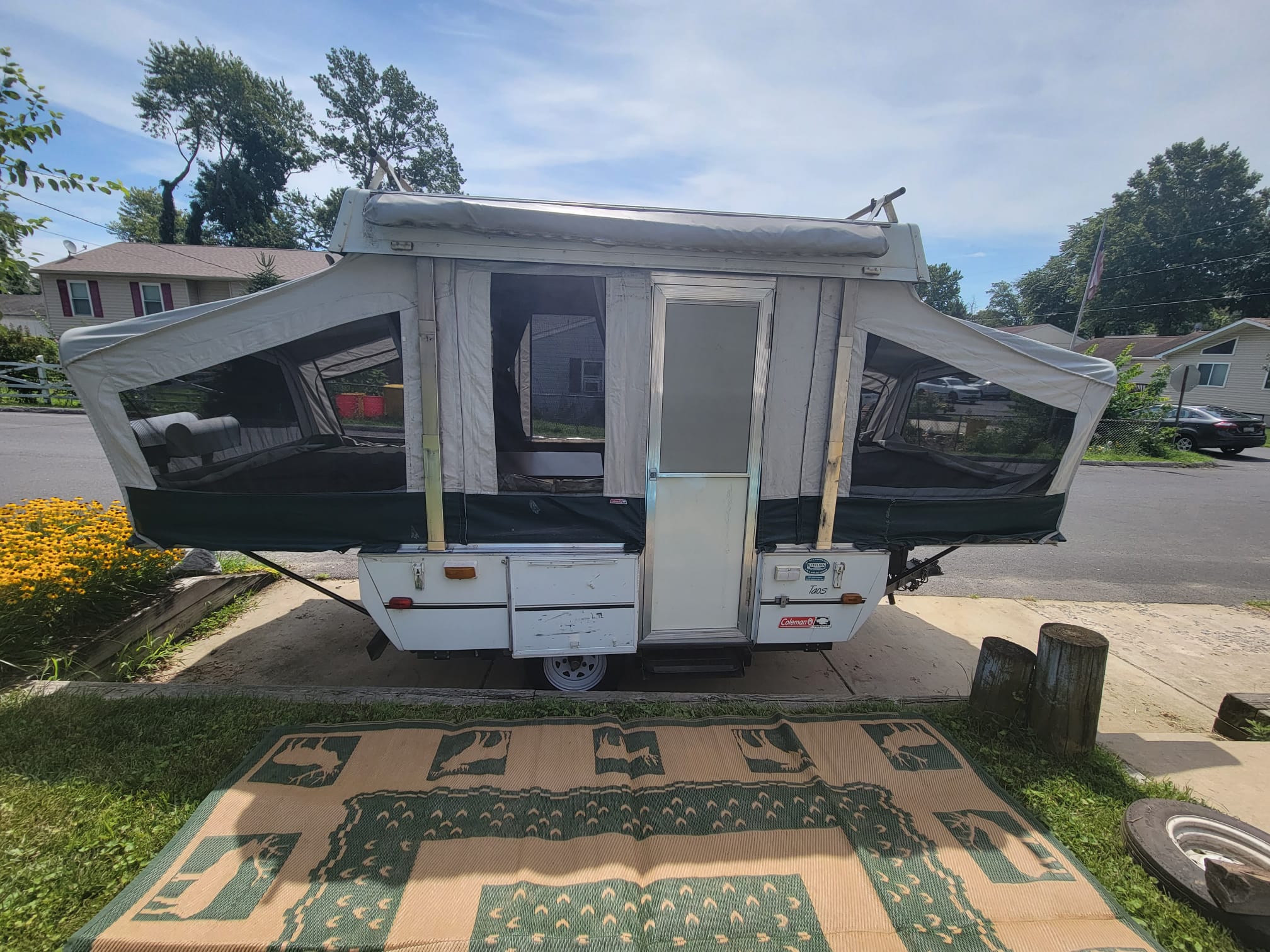
The first question most RV renters ask when planning a Kenai Fjords RV trip is where to camp inside the park. The answer is you don't — not in an RV. Exit Glacier Campground has 12 walk-in, tent-only sites reached by a short trail from the campground parking area, and NPS doesn't allow sleeping in an RV or other vehicle in that lot. Your rig stays in Seward, and that turns out to be the better setup anyway.
Seward sits at the head of Resurrection Bay, population around 2,700, and everything you need for Kenai Fjords launches from here. The boat tours leave from the Small Boat Harbor. Exit Glacier Road starts three miles north of town. Restaurants, groceries, a laundromat, and the Alaska SeaLife Center are all within walking distance of most campgrounds. You're not commuting to the park from some distant town — the park wraps around Seward like a coastline, because that's what it is.
One detail that catches people off guard: Kenai Fjords charges no entrance fee. No daily pass, no annual pass, no fee of any kind. The campground at Exit Glacier is also free. For a national park that delivers tidewater glaciers and humpback whales, the price of admission is zero.
Where should you park your RV in Seward?
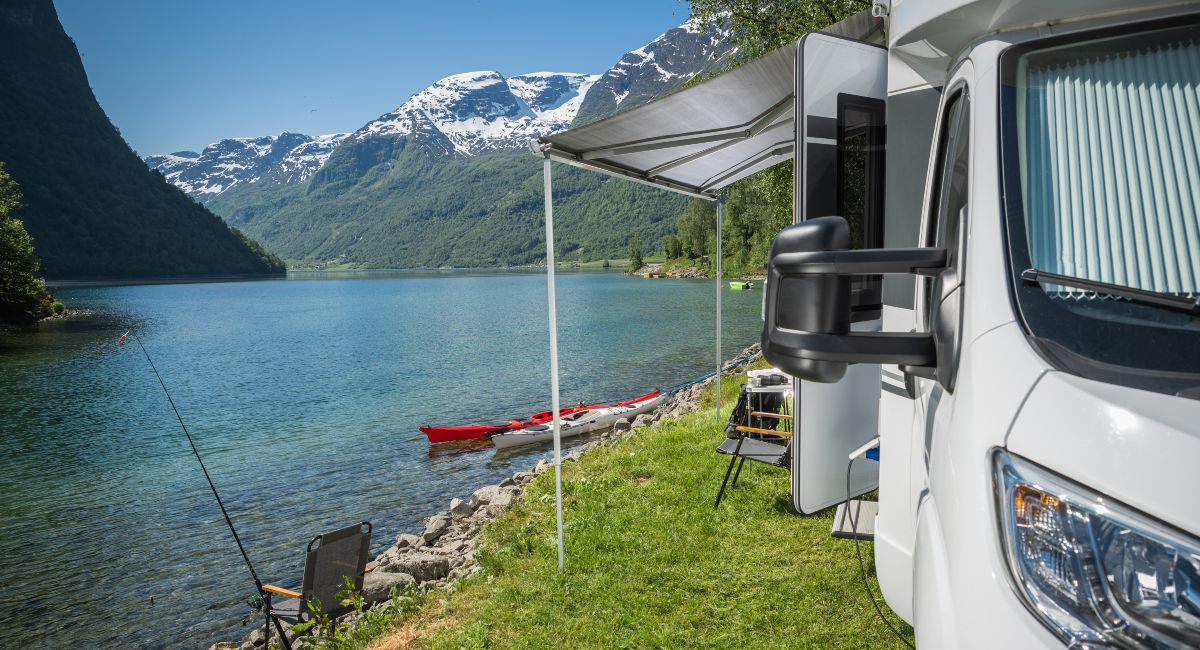
The City of Seward runs 10 municipal campgrounds, most of them spread along the waterfront, plus there are private parks with hookups. The deciding factor for most RV travelers is proximity to the Small Boat Harbor — that's where your boat tour departs, often at 8 AM, and you don't want a long drive to make it.
Harborside Campground: Closest to the boat tours
Dry camping at $45 per night. The closest municipal campground to the Small Boat Harbor, which means the shortest walk to your morning boat departure. Resurrection Bay views. Reserve through the City of Seward's online campground reservations. No hookups, but the location compensates.
Resurrection Campground: The hookup option downtown
Partial hookups (water and electric) at $60 per night, tent sites at $25. Sits on the waterfront off Ballaine Boulevard, and the city's campground showers are free in summer. The harbor is north along the waterfront path, a longer walk or a short drive away. This is the first choice for travelers who want hookups without leaving the waterfront strip.
Seward KOA Holiday: Full hookups, full amenities
Full hookups with up to 50-amp service; check KOA for current nightly rates. Located about a mile up Exit Glacier Road (Herman Leirer Road), just off the Seward Highway north of town, with laundry, hot showers, a dog park, and a game room. The trade-off is distance from the harbor — you'll drive rather than walk to the boat tours. Best for travelers who need 50-amp service and want a conventional RV park experience.
Miller's Landing: The quiet alternative
About $55 per night for a standard (non-beachfront) RV site with 30-amp electric hookups. Located at Lowell Point, about 2.5 miles south of Seward on the gravel Lowell Point Road — about a 10-minute drive to the Small Boat Harbor. Token-operated hot showers, laundry, campfire rings. Quieter than the municipal sites, with oceanfront sites and kayaking on Resurrection Bay. Farther from Exit Glacier Road than the in-town campgrounds.
Free option: Exit Glacier Riverbed
Free dispersed camping is allowed on state land in the Exit Glacier Special Use Area along Exit Glacier Road, outside the national park, according to the Alaska Department of Natural Resources. Stays are limited to eight consecutive days, and all trash and human waste must be packed out or disposed of properly. First-come, first-served, no reservations. No hookups, no running water. Overnight parking is not allowed inside the park's Exit Glacier area. The free dump station at B Street and Ballaine Boulevard handles your tanks.
Check Alaska campgrounds for additional options around the Kenai Peninsula if Seward's waterfront sites are booked. We've heard from renters who loved the riverbed for one night and moved to a campground with showers for the next.
How do you split a day between the boat tour and Exit Glacier?
The ideal Kenai Fjords day trip runs in two halves. Morning on the water, afternoon on the glacier. In our experience, that order also means you're back at the rig before the evening chill sets in. The timing works because of how the boat tours schedule and when Exit Glacier parking is busiest.
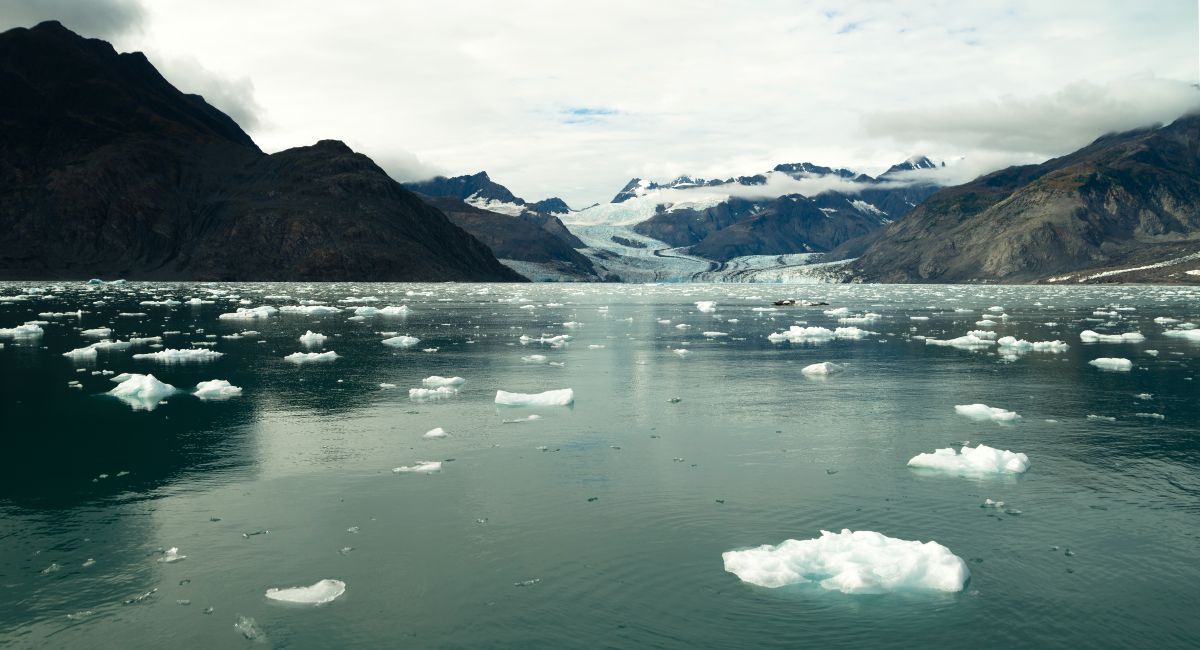
Book the 6-hour boat tour with an 8 AM departure (Major Marine runs its morning 6-hour departure from early June to early September). You'll cruise into the national park's coastline — tidewater glaciers calving ice into the fjords, humpback whales surfacing alongside the boat, Steller sea lions hauled out on rocky islands, puffins nesting on sea stacks. Major Marine's 6-hour tour includes a complimentary deli lunch. You dock back at the harbor around 2 PM.
From Seward, Exit Glacier is about a 10- to 15-minute drive. Turn onto Herman Leirer Road at mile 3 of the Seward Highway and follow it 8.4 miles to the nature center parking lot. Parking is limited, especially from 10:30 AM to 3:30 PM, so arriving after the boat tour — around 2:30 PM — puts you at the tail end of the busiest window.
Two trail options fit the afternoon window. The Glacier View Loop is one mile and accessible, with views of Exit Glacier's face. The Glacier Overlook Trail adds another 0.6 miles with steeper, moderately strenuous terrain and a closer vantage point. Both are manageable in an hour or two, even after a morning on the water.
The Harding Icefield Trail is roughly 8 miles round trip (NPS pages list 7.8 to 8.2 miles), climbing about 1,000 feet with every mile. NPS recommends allowing at least 6 to 8 hours — don't try to combine it with a boat tour unless you enjoy suffering.
A common scheduling mistake at Kenai Fjords is booking the 8.5-hour Northwestern Fjord cruise and expecting to also hike Exit Glacier the same day. You dock around 5 PM, windburned and tired. The 6-hour tour is the one that leaves room for both halves of the day.
Which boat tour should RV travelers book?
Two of the main Kenai Fjords boat tour operators are Major Marine Tours and Kenai Fjords Tours (part of Pursuit's Alaska Collection). Both depart from the Seward harbor. Prices below are Major Marine's published 2027 adult rates as of October 20, 2026; tax and harbor fees are extra.
4-hour Wildlife Cruise ($159/adult): Stays in Resurrection Bay — no tidewater glacier (you may spot alpine glaciers), but plenty of wildlife (sea otters, sea lions, eagles). Good for travelers short on time or prone to seasickness, since the bay stays calmer than the open fjords.
6-hour National Park Cruise ($259/adult): Ventures into the park to reach an active tidewater glacier, where you can watch for calving ice. Includes a deli lunch. This is the standard Kenai Fjords experience and the best fit for a day-trip itinerary.
7.5-hour National Park Cruise ($289/adult): Visits two active tidewater glaciers with more time for wildlife viewing, and docks around 5 PM. Worth it if glaciers and whales are your priority and you're comfortable skipping Exit Glacier or saving it for the next day.
8.5-hour Northwestern Fjord Cruise ($329/adult): Three glaciers, including time in front of the actively calving Northwestern Glacier, the longest route of the lineup, and a deli lunch. Not suitable for children under 12. The most immersive option, but it eats the entire day. No time for Exit Glacier afterward.
Book early, especially for July and August and the 8 AM departures. Dress in waterproof layers — NPS notes the winds on the water can be surprisingly cold, even on sunny days. Bring seasickness medication if you're unsure about your tolerance; Resurrection Bay is sheltered, but the open fjords can roll.
What should you know about the drive from Anchorage to Seward?
The 127-mile drive from Anchorage to Seward on the Seward Highway takes about 2.5 to 3 hours — longer if you stop, and you'll want to stop. This is one of America's most scenic drives, designated an All-American Road, and it's part of the trip rather than just the commute to it. RVers we talk to almost always say they budgeted too little time for this stretch.
The highway follows Turnagain Arm for the first 50 miles out of Anchorage. Beluga whales surface in the silty water below while Dall sheep graze the cliffs above. The bore tide — a wall of water rushing up the narrow arm — is worth pulling over for if your timing lines up. Past Turnagain Arm, the road climbs through Turnagain Pass and drops into the Kenai Peninsula through forests, alpine meadows, and glacier-fed rivers.
Fill your gas tank in Anchorage. Stations exist along the highway, including near Girdwood, but they're spaced out. The road is a paved two-lane highway, RV-friendly the entire way, with pullouts at many scenic viewpoints. Traffic moves steadily, but don't expect to pass anyone in a 35-foot rig on the winding sections along Turnagain Arm.
Pick up your RV in Anchorage — Alaska's largest city and a hub for Alaska RV rentals — and you're at the start of the Seward Highway.
What's the best time to visit Kenai Fjords by RV?
Late June through August is the primary season. Hosts tell us renters who pack rain gear and a warm layer, even in July, have the best time in Seward. Boat tours run full schedules, Exit Glacier Road is open, and wildlife is active. Average summer highs in Seward run only about 59 to 62 degrees — this is coastal Alaska, not the Interior — with lows in the mid-40s to about 50. Pack layers even in July.
June brings the longest daylight at almost 19 hours and is one of the drier summer months (about 2.3 inches of rain on average). Gray whale watching season comes earlier, from late March to mid-May. Crowds build toward the end of June but haven't peaked yet.
July is peak season. Warmest temperatures, strong whale watching (humpbacks and orcas), and the busiest campgrounds. Book Seward campgrounds and boat tours as far ahead as possible.
August gets wetter — about 5.5 inches of rain on average, more than double June or July. Fall colors can start appearing on the hillsides by late August, and crowds thin slightly. Still a strong month for wildlife.
September is true shoulder season. Some tours still run through late September, but schedules contract. Cooler temperatures, fewer visitors, and the wettest month of the season. The municipal campgrounds' summer season ends September 30, and Exit Glacier Road is typically closed to cars from late October to mid-May.
Rain is possible in any month. Seward averages a little over 2 inches of rain in June and July, about 5.5 inches in August, and more than 10 inches in September. Waterproof layers — not just a rain jacket, but waterproof pants and boots — are essential gear. The boat tours are wetter still.
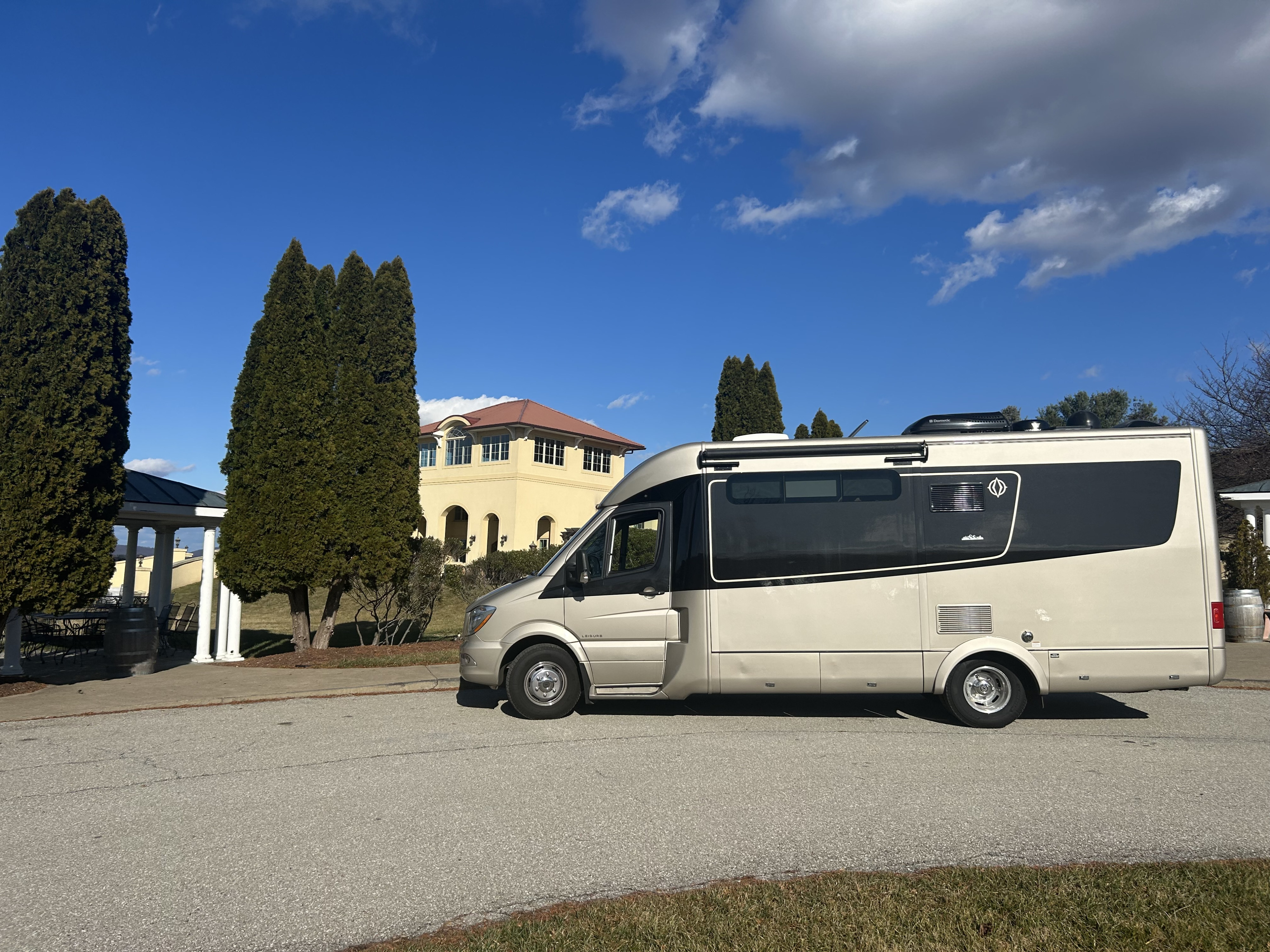
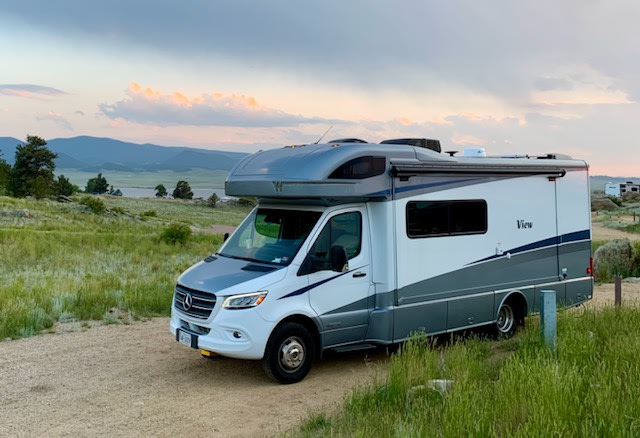
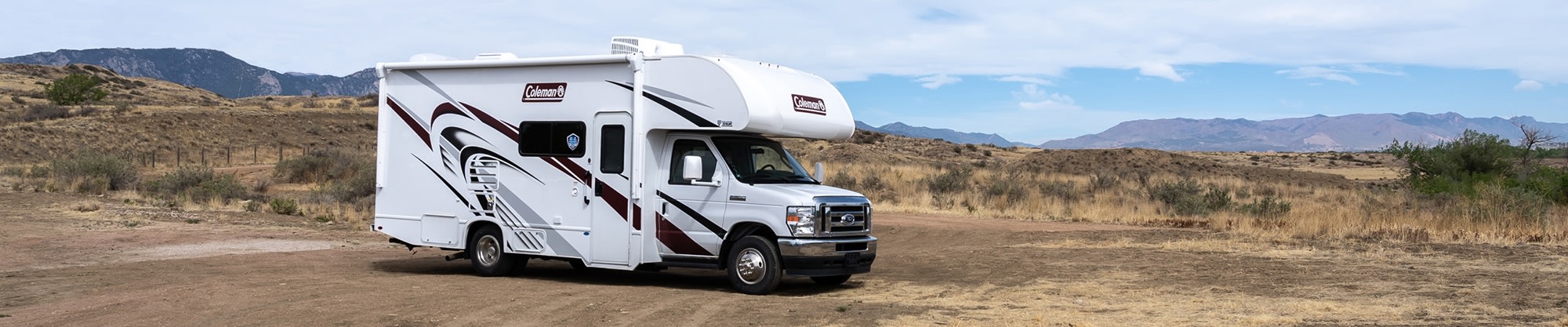
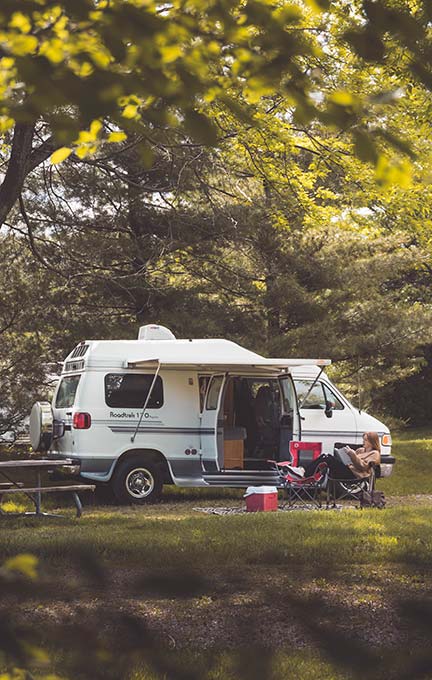
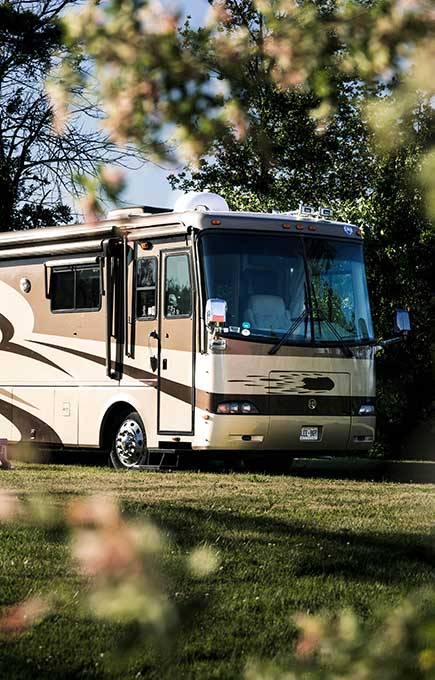
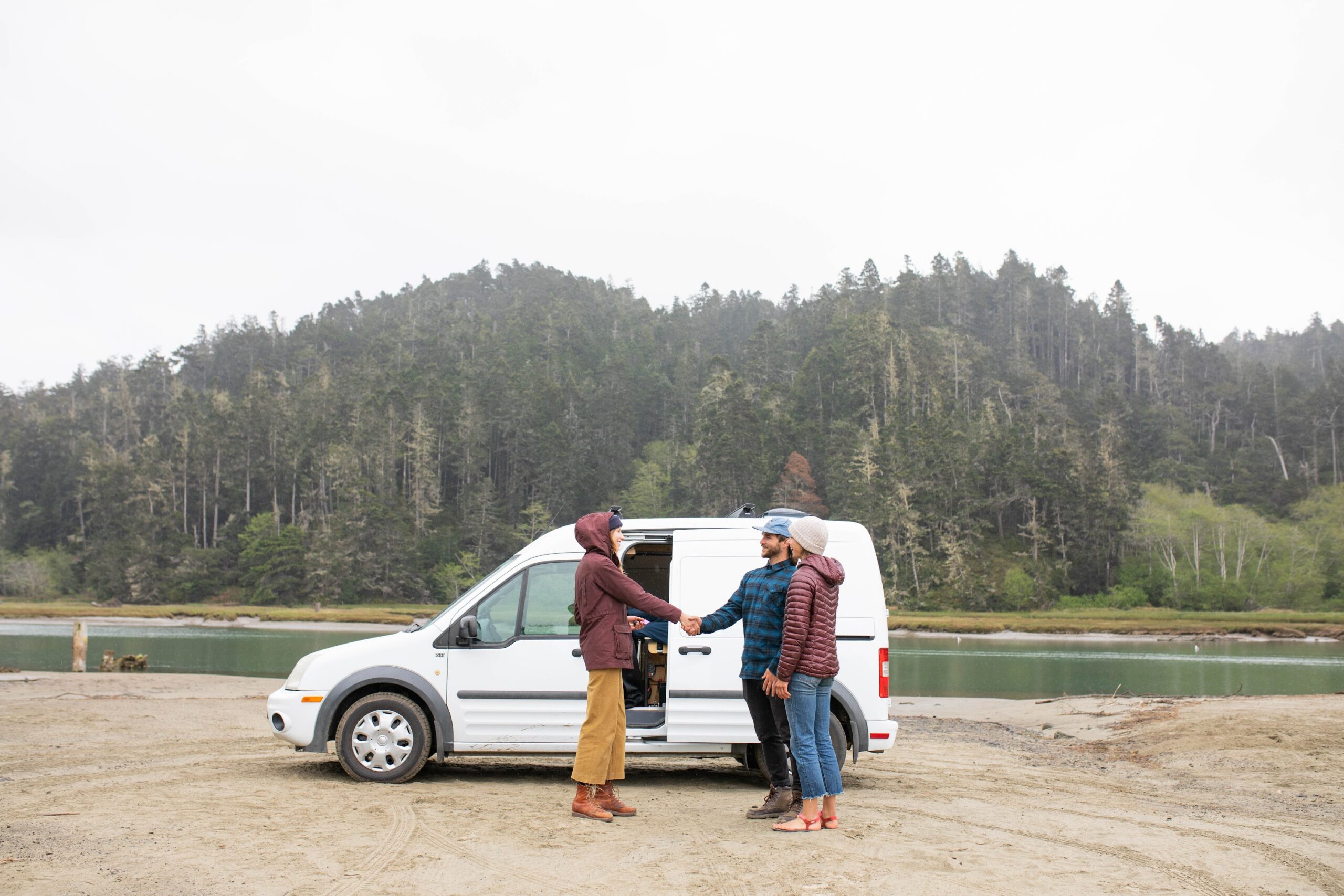
A campervan handles Seward's compact campgrounds and Exit Glacier Road more easily than a full-size motorhome.
About this guide
This guide was researched and written by the Outdoorsy editorial team. Camping, fee, and Exit Glacier details come from National Park Service pages for Kenai Fjords, with campground rates from the City of Seward, camping rules from the Alaska Department of Natural Resources, cruise details from tour operators, and climate averages from public weather records. Practical tips also draw on conversations with Outdoorsy hosts and renters. We have no commercial relationship with the businesses mentioned unless explicitly noted. Prices and dates checked as of October 20, 2026.