
At a glance
Everglades has three entrances - Homestead, Shark Valley, Everglades City - each 1+ hours apart and not connected inside the park. Two campgrounds: Flamingo (274 sites, 41 with electric hookups, year-round) and Long Pine Key (108 dry sites, Nov-Apr only). Flamingo sits 38 miles down a dead-end road - no gas, no groceries, limited services. Entry: $35/vehicle (credit/debit only). Dry season (Dec-Apr) = best wildlife, manageable mosquitoes. Wet season = mosquitoes that shut down outdoor living. Shark Valley tram: $36/adult, about 2 hours (as of October 2026). Nearest full-service town: Homestead/Florida City (about 10 miles from the main entrance). Pick up from Miami or Tampa.
Why does RV camping in the Everglades require seasonal planning most parks don't?
The most common mistake at the Everglades isn't picking the wrong campsite - it's picking the wrong month. Come in February and you'll watch alligators bask three feet from the Anhinga Trail boardwalk while roseate spoonbills wade behind them. Come in July and you'll spend the evening sealed inside your RV, swatting mosquitoes that found their way through the screen door. RVers we talk to who have tried both seasons almost always say the same thing: February spoils you for every other month.
The Everglades runs on two seasons, and they produce fundamentally different trips. Dry season - December through April - concentrates wildlife around shrinking water sources. Alligators, crocodiles, wood storks, and great blue herons crowd the remaining pools. Temperatures sit in the 60s and 80s. Mosquitoes exist but stay manageable with standard repellent. Both campgrounds are open. This is the Everglades that looks like a nature documentary.
Wet season - May through November - flips the equation. Water levels rise, wildlife disperses across 1.5 million acres, and the mosquitoes go from "apply repellent" to "retreat indoors." The heat pushes past 90F with humidity to match. Long Pine Key Campground closes entirely. Hurricane season runs June through November. Flamingo stays open, but you're not using your awning, you're not cooking outside, and you're not sitting in a camp chair at sunset. That outdoor living space that makes RV camping RV camping - it's effectively gone five months of the year.
Few national parks have this stark divide between trip-of-a-lifetime and endurance test.
Where do you camp in the Everglades in an RV?
Flamingo Campground - inside the park
The park's primary campground, sitting on Florida Bay 38 miles from the Homestead entrance. Flamingo is operated by Guest Services Inc. and stays open year-round - the only in-park option during wet season.
- Sites: 274 total across multiple loops
- T-Loop (RV): 41 sites with electric hookups (30A/20A/50A pedestals). Pull-through sites.
- A-Loop: 55 tent sites + 1 group site
- B-Loop: 59 tent sites
- Bayside: 30 tent sites (closed for 2026 season)
- Eco Tents: 20 safari-style tents on raised platforms
- Max RV length: Varies by site - confirm your rig's length with the concessioner when you book
- Hookups: Electric only - no water or sewer at individual sites. Potable water filling stations near the dump station.
- Fees (as of October 2026, before taxes): Non-electric $33 Mon-Thu / $38.50 Fri-Sun. Electric $50 Mon-Thu / $60 Fri-Sun. Group $60.
- Amenities: Dump station, bathhouses (no hot water), picnic tables, grills, amphitheater for winter ranger programs
- Generators: 8:00 AM - 8:00 PM only
- Reservations: Via flamingoeverglades.com or 855-708-2207. Highly recommended December through April. A limited number of sites are held for walk-ups.
- Cash-free: Credit and debit cards only throughout the park
- Cell service: Limited and carrier-dependent - don't count on it
Those 41 electric sites in the T-Loop are the only hookup option in the entire park - and competing guides keep calling them "full hookups." They're electric only. No water or sewer at the site. Fill your freshwater tanks in Homestead, plan your dump station runs, and budget your water accordingly. If you need full hookups, you're staying outside the park. Hosts tell us renters who arrive with full freshwater tanks have a much easier first night at Flamingo.
The 38-mile drive to Flamingo is the other thing to internalize. No gas stations, no grocery stores, no quick errands. Renters who fill their water tanks and stock the fridge before driving in tend to have a much easier trip than those who assume services exist along the way. The Flamingo marina has a small store, but it's camp-store provisions - not a resupply run.
Long Pine Key Campground - inside the park (seasonal)
A short drive from the Homestead entrance, Long Pine Key sits in a pine rockland forest with a fishing pond and direct trail access.
- Sites: 108 (no hookups - dry camping only)
- Max RV length: Not all sites fit large RVs - confirm your rig's length when you book
- Season: November 1 - April 30 only
- Amenities: Dump station, potable water filling station, restrooms (no hot showers), fishing pond, nearby trails
- Generators: 8:00 AM - 8:00 PM (except tent-only area)
- Reservations: Through the park concessioner (Flamingo Adventures) at flamingoeverglades.com or 855-708-2207
Long Pine Key is a solid dry-camping base if Flamingo's electric sites are booked and you don't need hookups. It's also far closer to the entrance - better for day trips to Shark Valley or errands in Homestead.
Outside the park
- Southern Comfort RV Resort (Florida City): Full hookups, pool, laundry. ~15 minutes from Homestead entrance. Your best fallback if Flamingo is full during dry season.
- Miami Everglades RV Resort: Full hookups, resort amenities. In the Homestead area of south Miami-Dade.
- Larry and Penny Thompson Memorial Park (Miami): Full hookups at lower cost than resort parks. Roughly 30-40 minutes from Homestead entrance.
- Big Cypress National Preserve (US-41): Midway Campground has electric hookups (about $30/night), flush toilets, and a dump station. Nearby Monument Lake has flush toilets and drinking water but no hookups. Both sit along the Tamiami Trail - good for combining Shark Valley with Big Cypress.
Check our Florida campgrounds guide for more options, or browse Florida RV parks for full-hookup alternatives.
How do the three Everglades entrances affect your RV trip?
This is the planning detail that catches everyone. The Everglades has three separate entrances, in three different cities, each at least an hour's drive from the others - and they are not connected inside the park. You cannot drive from Flamingo to Shark Valley without leaving the park entirely and driving back through the Homestead and Miami-Dade area.
Homestead entrance (main)
The primary entrance on the southeast side. Ernest F. Coe Visitor Center, then the park road south to Royal Palm (Anhinga Trail) and all the way to Flamingo. This is where both campgrounds are. If you're camping, you're using this entrance.
From Miami: About 1 to 1.5 hours south via Florida's Turnpike to Florida City, depending on traffic.
Shark Valley entrance
Off US-41 (Tamiami Trail) on the park's north side. Home to the 15-mile tram loop, bicycle trail, and observation tower. The most wildlife-dense two hours in the park - alligators line both sides of the tram road like sentries. But there's no camping and no overnight RV parking.
Tram tours (as of October 2026): About 2 hours, $36 adults / $27 seniors / $19 children. From late December through April there are 8 departures daily; from May to mid-December it drops to 4 (5 on weekends and holiday weeks).
Renters who camp at Flamingo and skip Shark Valley miss the park's best wildlife viewing, because it's a separate entrance roughly two hours away. Plan it as a day trip - drive from Flamingo back out through Homestead, then north to US-41 (Tamiami Trail) and west to Shark Valley. Or stage it from a Big Cypress campground on US-41.
Everglades City entrance (Gulf Coast)
The west-side entrance near Naples. Access to Ten Thousand Islands - kayaking, boat tours, island camping. The new Marjory Stoneman Douglas Visitor Center (Gulf Coast) is open daily 9 AM-5 PM, and boat tours into the Ten Thousand Islands run from Everglades City.
From Tampa: About 3.5 hours south via I-75.
What should you do from your Everglades RV base camp?
Anhinga Trail - Royal Palm (Homestead entrance)
One of the best wildlife trails in the national park system, and it's a flat 0.8-mile round-trip boardwalk. Alligators bask within feet of the walkway. Anhingas dry their wings on the railings. Great blue herons hunt in the slough below. In dry season, this trail alone justifies the trip. Located 4 miles from the Homestead entrance - you'll pass it on the way to Flamingo.
Flamingo area
- Marina boat tours: Backcountry cruises through mangrove channels. Kayak and canoe rentals for self-guided paddling.
- Nine Mile Pond canoe trail: 5.2-mile loop through mangrove tunnels. Water levels are best for paddling in fall and winter.
- Eco Pond: Short walk from Flamingo, excellent birding at dawn and dusk.
- Fishing: Both saltwater (Florida Bay) and freshwater. Florida fishing license required.
Pa-hay-okee Overlook
A short boardwalk off the main park road with a panoramic view of the sawgrass prairie - the "River of Grass" stretching to the horizon. Worth a 15-minute stop on the drive to or from Flamingo.
Backcountry wilderness camping
For experienced paddlers: chickees (elevated wooden platforms over water), beach sites on coastal islands, and ground sites. All require a wilderness permit, with sites reserved in advance on Recreation.gov. Multi-day paddle routes connect Flamingo to Everglades City through the Wilderness Waterway - 99 miles, and most paddlers allow at least eight days.
When is the best time to visit the Everglades in an RV?
December through April gives you the full experience - concentrated wildlife, comfortable temperatures, both campgrounds open, and mosquitoes at their lowest. January and February are peak for wildlife viewing. March is spring break season with more competition for campsites. This is high season: book Flamingo's electric sites well in advance.
May through November is the wet season. Flamingo stays open but the experience shifts: mosquitoes go from nuisance to serious barrier for outdoor activity, temperatures climb past 90F with matching humidity, and Long Pine Key closes. Hurricane season adds weather risk from June through November. If you go during wet season, bring heavy-duty mesh screens, a high-DEET repellent, and the acceptance that your trip will be more windshield than campfire.
We've heard from more than one renter who booked a July trip for the low crowds and spent most evenings indoors with the screens shut.
November and late April are the shoulder transitions. November can still carry wet-season conditions - check recent reports before booking. Late April starts warming but wildlife viewing remains good.
How do you plan an RV trip to the Everglades?
The Everglades sits at the southern tip of mainland Florida, between Miami and the Gulf Coast.
From Miami: About 1 to 1.5 hours to the Homestead entrance via Florida's Turnpike or US-1, depending on traffic.
From Tampa: About 4 to 4.5 hours to either Shark Valley or Homestead, mostly via I-75 - check your route before you go.
From Orlando: About 4 hours via Florida's Turnpike to Homestead.
In our experience, splitting the park across two days keeps drive time manageable and leaves room for sunset at the marina.
A two-day plan works best:
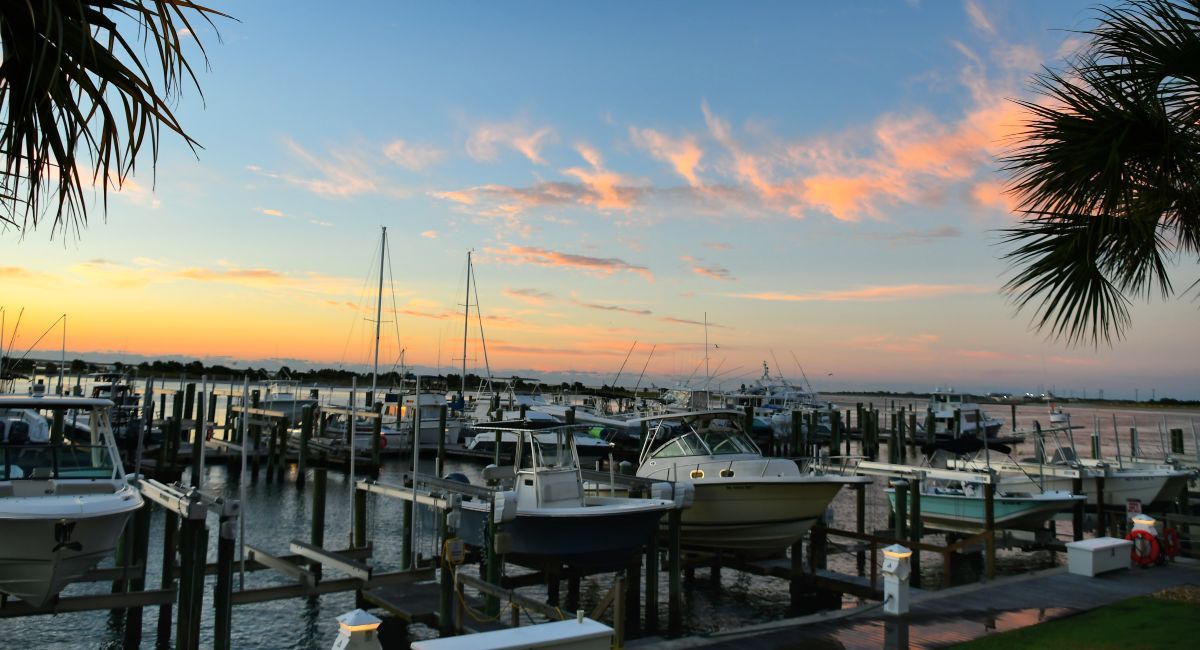
Day 1 - Homestead entrance to Flamingo. Stock groceries and fuel in Homestead or Florida City. Set up at Flamingo. Anhinga Trail on the drive in - don't skip it. Afternoon: Nine Mile Pond or Pa-hay-okee Overlook. Sunset at Flamingo marina.
Day 2 - Shark Valley day trip. Drive from Flamingo back out through Homestead, then north to US-41 and west to Shark Valley (roughly 2 hours). Morning tram tour - book ahead during dry season. Observation tower at the halfway point. Afternoon: drive back or continue west to Big Cypress or Everglades City.
Entry is $35 per vehicle (as of October 2026), valid for seven consecutive days at all park entrances. Credit and debit only - no cash anywhere in the park. Non-US residents 16 and older pay an additional $100 per person.
About this guide
Campground details from NPS Everglades camping and the Flamingo Everglades concessioner. Entrance fees from NPS Everglades fees. Entrance locations from NPS Everglades directions. Tram tour details from Shark Valley Tram Tours. Seasonal and campground observations from Outdoorsy's rental support data and renter trip reviews. Fees and operational details checked October 2026.